
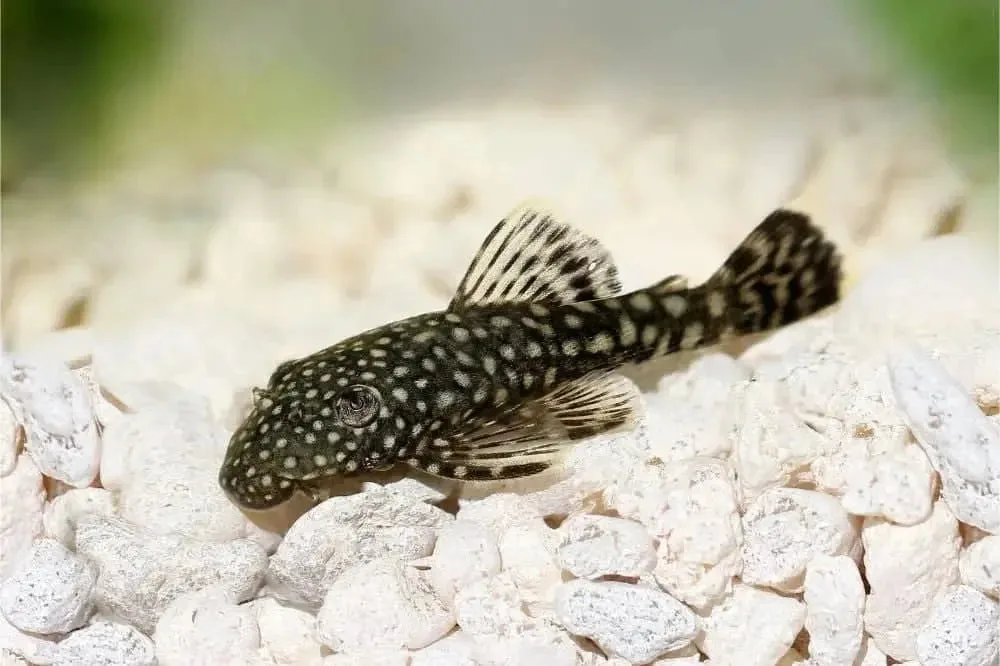
Common Ancistrus
The Common Ancistrus is a hardworking, peaceful algae eater. With its unique shape and mottled colour, it is a must-have cleaner for any community tank.
R50,00
Product Details
Common Ancistrus are popular, hardy, and highly effective algae-eating catfish. Known for their unique bristled snouts and mottled, camouflaged colour, they are peaceful bottom-dwellers that are perfectly suited for both beginners and experienced aquarists. They are exceptionally good at keeping glass and decor clean, making them a functional and charming addition to most community aquariums.
🐟 Common Ancistrus Care Tips
✅ Tank Requirements
• Tank Size: 75 litres minimum for a single specimen to allow for their growth and activity.
• Group Size: Keep singly or in pairs; they are generally territorial toward their own kind if space is limited.
• Substrate: Smooth sand or fine gravel is best to protect their delicate underbellies.
• Filtration: Requires excellent filtration and high oxygen levels; they thrive in well-oxygenated water.
🌡️ Water Parameters
• Temperature: 23–27°C (73–81°F)
• pH: 6.0–7.5
• Hardness: 6–15 dGH
• TDS: 100–300 ppm
🍽️ Diet
• Omnivore: Primarily feeds on algae, but requires a balanced diet of sinking algae wafers, blanched vegetables (zucchini, cucumber), and high-quality pellets.
• Supplement with occasional frozen bloodworms or brine shrimp for growth and colour.
🧼 Tank Maintenance
• Perform weekly water changes (10–15%) using dechlorinated, temperature-matched water.
• Ensure there is driftwood in the tank, as Ancistrus require the cellulose from wood for healthy digestion.
🤝 Tank Mates
• Peaceful; best kept with community fish like tetras, rasboras, and corydoras.
• Avoid overly aggressive cichlids or fish that may nip at their fins.
🍀 Colour & Health Enhancement
• Lighting: Provide hiding spots like caves or driftwood to reduce stress, which keeps their natural colouration vivid.
• Diet: A mineral-rich, varied diet supports healthy growth and vibrant colour:
- High-quality spirulina-based wafers
- Occasional protein foods for growth and breeding
- Calcium-rich blanched vegetables to support strong health

Reviews